
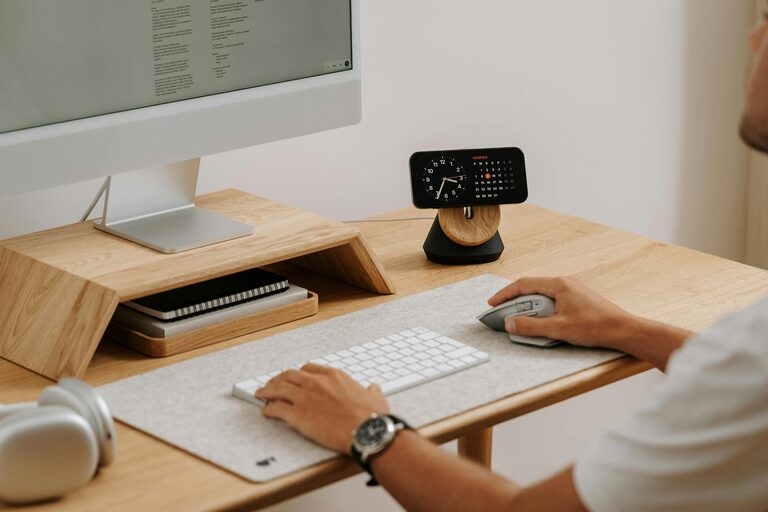

Creating a relaxing home office environment can make a significant difference in your productivity and overall well-being. When your workspace feels calm and inviting, it’s easier to focus, reduce stress, and maintain motivation throughout the day. In this post, we’ll share practical tips on how to design a soothing home office that supports your best work.
Why a Relaxing Home Office Matters
Working from home offers flexibility but can also bring distractions and stress. A relaxing workspace helps clear your mind and fosters a positive mindset. When your work area feels pleasant and organized, you are less likely to feel overwhelmed and more likely to stay on task.
Choose the Right Location
Consider Natural Light
Position your desk near a window if possible. Natural light improves mood and alertness. If your space lacks windows, invest in full-spectrum lighting that mimics daylight.
Minimize Noise Distractions
Select a room or corner away from household noise or busy areas. Consider using noise-canceling headphones or a white noise machine if sounds cannot be avoided.
Declutter and Organize
A cluttered desk can lead to a cluttered mind. Keep only essential items on your workspace and create designated storage for supplies.
– Use organizers, trays, or drawers to keep papers and tools tidy
– Digitize documents to reduce paper piles
– Establish a daily routine to tidy your desk before finishing work
Choose Comfortable yet Functional Furniture
Your chair and desk are key to comfort and productivity.
– Invest in an ergonomic chair that supports your posture
– Ensure your desk height allows your arms to rest comfortably
– Use a keyboard and mouse that reduce strain
Comfort helps reduce fatigue and pain, making it easier to focus on tasks.
Add Calming Colors and Personal Touches
Colors affect mood and energy levels. Soft, neutral tones like light blue, green, or beige create a peaceful atmosphere.
– Paint walls in calming hues or add artwork that inspires you
– Incorporate personal items like photos, plants, or meaningful décor—but keep it simple to avoid distraction
Incorporate Plants for Freshness and Focus
Adding greenery has been shown to improve air quality and reduce stress levels.
– Choose low-maintenance plants like snake plants, pothos, or succulents
– Place plants within your line of sight to enjoy their calming effect
Optimize Lighting for Comfort and Productivity
Avoid harsh fluorescent lighting. Instead, aim for layered lighting:
– Ambient light for general illumination
– Task lighting, such as adjustable desk lamps, for close work
– Consider dimmable lights to adjust brightness according to the time of day
Proper lighting reduces eye strain and helps maintain energy.
Create a Routine That Includes Breaks
A relaxing environment supports a healthy work rhythm.
– Take short breaks to stretch or walk every hour
– Use calming techniques like deep breathing or mindfulness during breaks
– Set clear work hours to separate professional and personal time
This helps prevent burnout and keeps your mind fresh.
Use Technology Mindfully
Technology can both help and hinder focus.
– Turn off non-essential notifications during work sessions
– Use apps that block distracting websites for limited periods
– Keep charging stations and cables organized to reduce visual clutter
Maintain Good Air Quality
Air quality impacts concentration and comfort.
– Open windows when possible for fresh air
– Use an air purifier to reduce dust and allergens
– Keep your workspace clean to avoid buildup of dust
Final Thoughts
Designing a relaxing home office is about creating a space that supports your work habits and well-being. Focus on comfort, organization, and calming elements that suit your personal style. Over time, these small changes can lead to increased productivity and a more enjoyable work-from-home experience.
By investing attention into your home office environment, you’ll create a sanctuary where work feels less like a chore and more like a rewarding daily activity. Give these tips a try and see how a relaxing workspace can transform your productivity.