
Creating a home office environment that is both comfortable and productive can significantly enhance your work-from-home experience. Whether you’re new to remote work or have been working from home for a while, optimizing your workspace can help you stay focused, reduce stress, and improve overall job satisfaction.
In this post, we will explore key tips for setting up a home office that encourages comfort and boosts your productivity.
Choose the Right Location
Finding the ideal spot for your home office is the first step to creating a productive workspace.
– Quiet and Private: Select a location away from household noise and distractions. A spare room or a quiet corner can work well.
– Natural Light: Whenever possible, pick a spot near a window. Natural light helps reduce eye strain and improves mood.
– Space: Ensure your office area has enough room for your desk, chair, and any necessary equipment.
Invest in Ergonomic Furniture
Comfort plays a crucial role in maintaining productivity, and ergonomic furniture supports your body during long working hours.
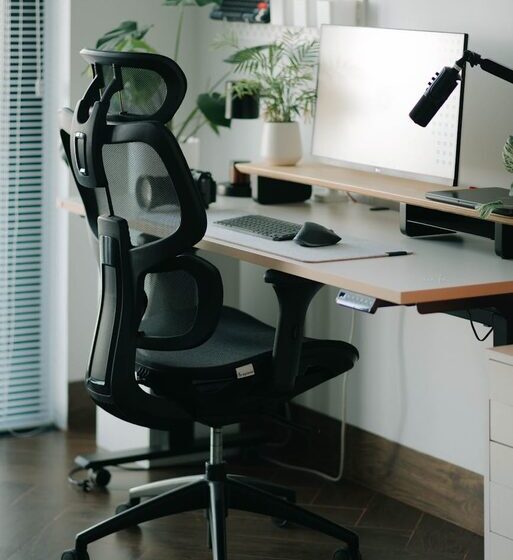
– Ergonomic Chair: Choose a chair with adjustable height, lumbar support, and comfortable cushioning to support your posture.
– Desk Height: Use a desk that suits your height or consider an adjustable desk to alternate between sitting and standing.
– Monitor Position: Position your monitor so the top of the screen is at eye level to reduce neck strain.
Optimize Lighting
Proper lighting reduces fatigue and keeps you alert throughout the workday.
– Layered Lighting: Combine natural light with overhead and task lighting to avoid shadows or glare.
– Desk Lamps: A good desk lamp with adjustable brightness can help when working in the evenings.
– Avoid Screen Glare: Arrange your screen away from direct sunlight or windows to minimize glare.
Organize Your Workspace
An organized desk improves focus and workflow.
– Declutter: Keep only essential items on your desk. Store other supplies in drawers or shelves.
– Storage Solutions: Use filing cabinets, document trays, or organizers to keep papers and office tools neatly arranged.
– Cable Management: Use cable clips or sleeves to prevent cords from tangling and create a cleaner look.
Personalize Your Space
Adding personal touches can make your home office more inviting and motivating.
– Decor: Include artwork, plants, or photos that inspire you without causing distractions.
– Comfort Items: A soft rug, a cozy blanket, or cushions can add warmth and comfort to your space.
– Scent: Consider aromatherapy diffusers or candles with calming scents to create a pleasant ambiance.
Minimize Distractions
Staying focused requires managing potential interruptions.
– Set Boundaries: Inform family or housemates about your working hours to reduce disturbances.
– Noise Control: Use noise-canceling headphones or white noise machines if background sounds are unavoidable.
– Digital Distractions: Use apps or browser extensions to block distracting websites and notifications during work hours.
Establish a Daily Routine
A clear routine helps separate work time from personal time and increases productivity.
– Regular Hours: Try to start and end work at consistent times each day.
– Breaks: Take short breaks every hour to stretch and refresh your mind.
– Workspace Boundaries: Use your home office only for work to mentally switch between work and relaxation.
Use Technology Wisely
Leveraging the right technology tools can simplify your workflow.
– Reliable Internet: Ensure you have a stable and fast internet connection.
– Essential Equipment: Invest in quality headphones, a webcam, and an external keyboard or mouse if needed.
– Productivity Tools: Utilize apps for task management, note-taking, or communication to stay organized.
Maintain Good Air Quality and Temperature
Comfort is not just about furniture and lighting but also the room’s atmosphere.
– Ventilation: Open windows when possible or use air purifiers to keep the air fresh.
– Temperature Control: Keep the room at a comfortable temperature; consider fans or heaters as needed.
—
By thoughtfully designing your home office with these tips in mind, you set the stage for focused, comfortable, and efficient workdays. Remember, the best home office is one tailored to your personal needs and work style. Small adjustments can make a big difference in how you feel and perform throughout the day.